
.svg)

Study these five marketing principles if you want to stand out.
Editor's Note: One of the best things that happened in my career was that my boss pushed me to study timeless marketing principles. He fed me books like The 22 Immutable Laws of Marketing, Positioning, Ogilvy on Advertising, Scientific Advertising. He fed me books on how people make decisions like Influence, Thinking Fast and Slow, and Contagious: Why Things Catch On. These lessons have stuck with me and I believe in them because they continue to work. B2B or B2C. Forget the ABM and the SEO and the AI. You can learn all of that stuff as it comes and goes. But to build a career that lasts and to do work in marketing that actually makes the cash register ring, you need to master these lessons. Here are five of them.
The current state of things: we are drowning in AI slop.
There’s more competition than ever. More noise than ever. Consumers are more skeptical than ever. Outbound is dead. SEO is dead. Everything is dead! Nothing works anymore.
Cmon, you know that’s not true. Everything has been proven to work for someone, somewhere. Email is working for someone. YouTube is working for someone. Direct mail is working for someone, right now!
The root cause is usually not because the channel doesn’t work. It’s because something in the fundamentals is off.
So let’s go back to basics. IMO, here's what you really need to know about the craft of marketing:
- People do not care about your company.
- They don't care about your product and your features.
- They don't care about the new integration you just shipped.
What they care about is themselves.
We are biologically wired to be selfish.
So: if you can talk to someone about themselves, you’ll have their full attention. Focus on helping them first. What is the selfish benefit to them? Why should they care?
Here are five timeless principles you can think about for your customers.
1. Make Me Look Good
Whether it’s to a boss, their team, or their industry, people are wired to care about status.
Can you help them impress someone? Can you give them an edge? Can they copy/paste your idea and look smart in the next meeting?
I remember impressing my boss when I was a 23 year old marketer being asked to build a marketing plan for a product launch for the first time. I had no idea what to do, so I found a great resource from the HubSpot blog (the OG blog; was my ChatGPT before ChatGPT for sure) and used it. She was impressed. That moment turned me into a HubSpot fan for life because I got legitimate help at work. They showed me how to build a proper marketing plan; I did it - and it worked!
And this became their whole content strategy. HubSpot built a massive content library that made marketers look smart. Templates, frameworks, step-by-step guides. You could take their stuff straight into a meeting and present it as your plan. They gave you the tools to look like a rockstar.
Apple's "Shot on iPhone" campaign is the ultimate version of this. Regular people taking photos that end up on billboards. Suddenly you're not just someone with a phone, you're a photographer whose work is displayed in cities around the world.
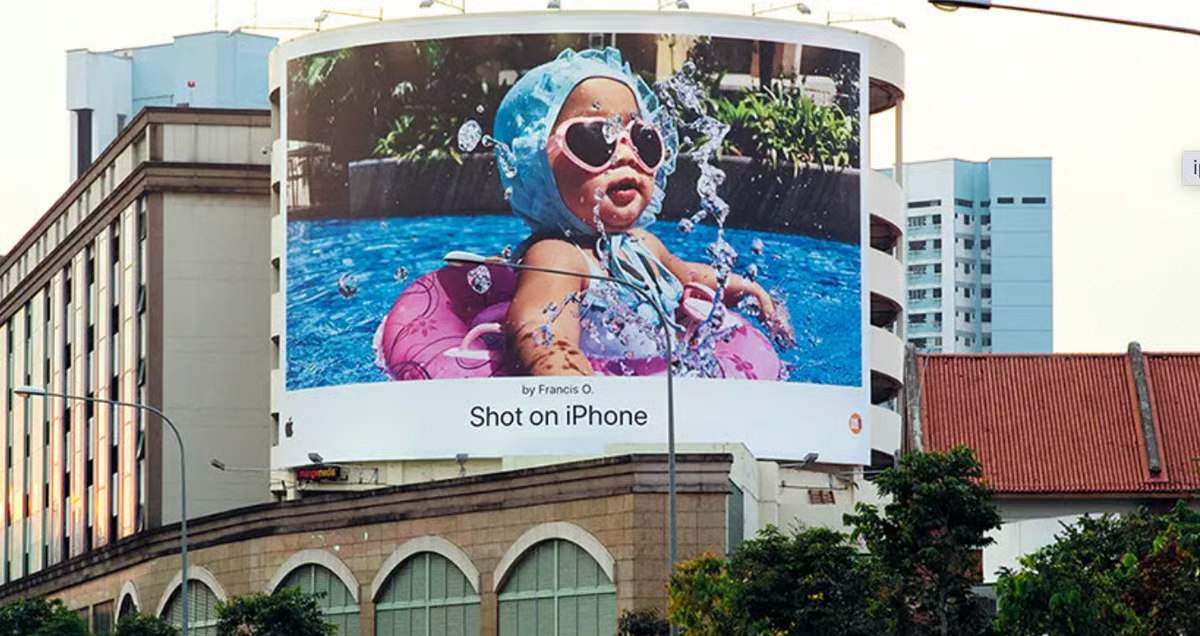
Make your customer the hero. Give them something they can take back to their team and shine.
When I was VP Marketing at my last job we ran a series of billboard ads with our top customers on them, right outside their offices. Guess what everyone did? Took photos and turned to social to share. We made them feel like stars.
The best example of this in B2B that I can remember is the Marketing Champion award from Marketo. I think it was called something like that. They made people legit stars; and it boosted the reputation of the award winners too.
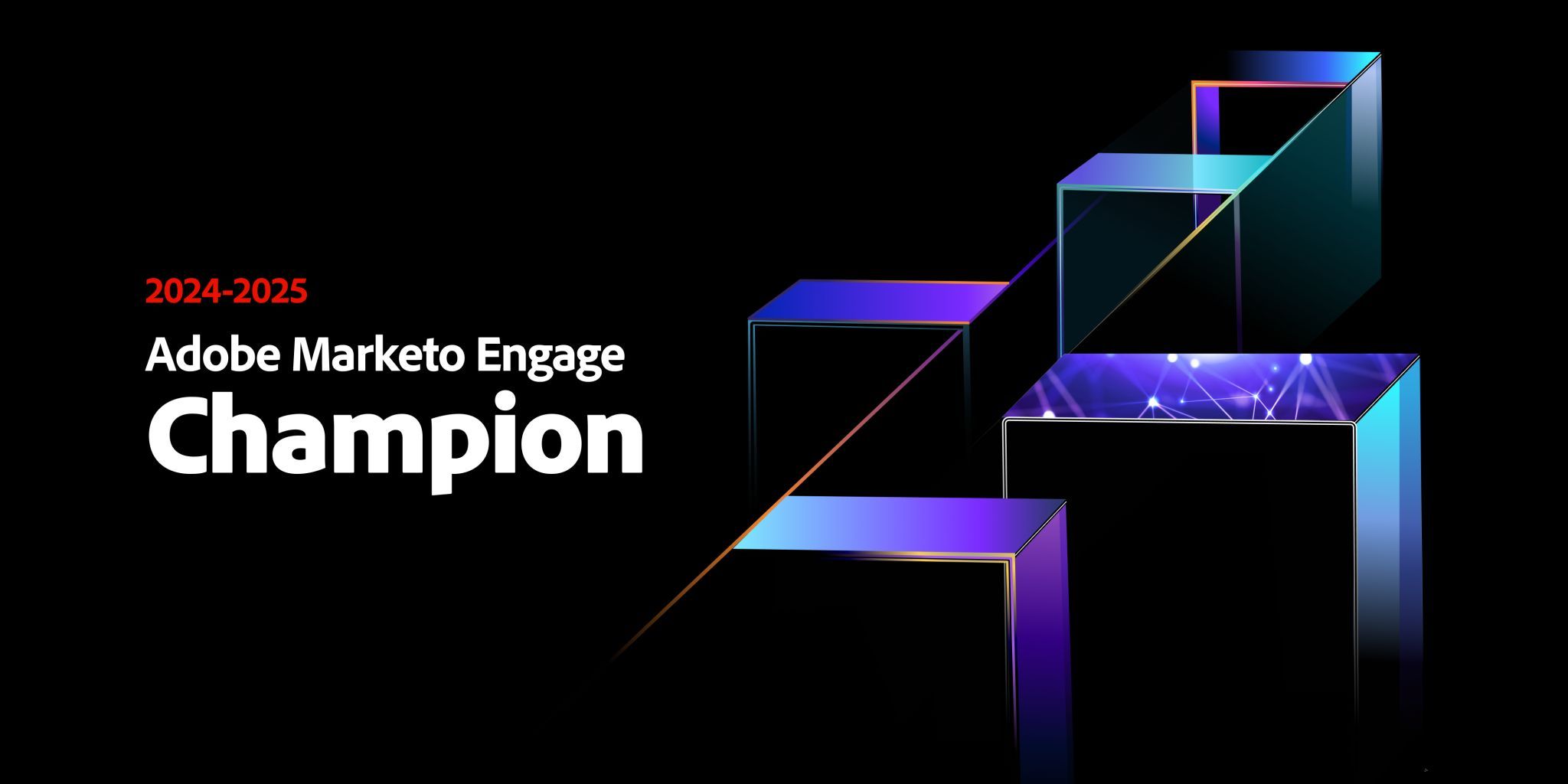
That’s a big example ^ but this can play out in small ways too; doesn’t have to be some big brand campaign; but more of an overall mindset. You could also make me look good through your content - in the HubSpot example, their content helped me feel like an insider.
2. Save Me Time
Time is the one thing nobody has enough of.
If you can help someone do something faster, with less friction or fewer steps, that's the way.
People will pay for time savings. BUT they have to believe this. It can't just be a marketing claim. You need proof. Show the receipts. The examples.
ClickUp does that perfectly here:
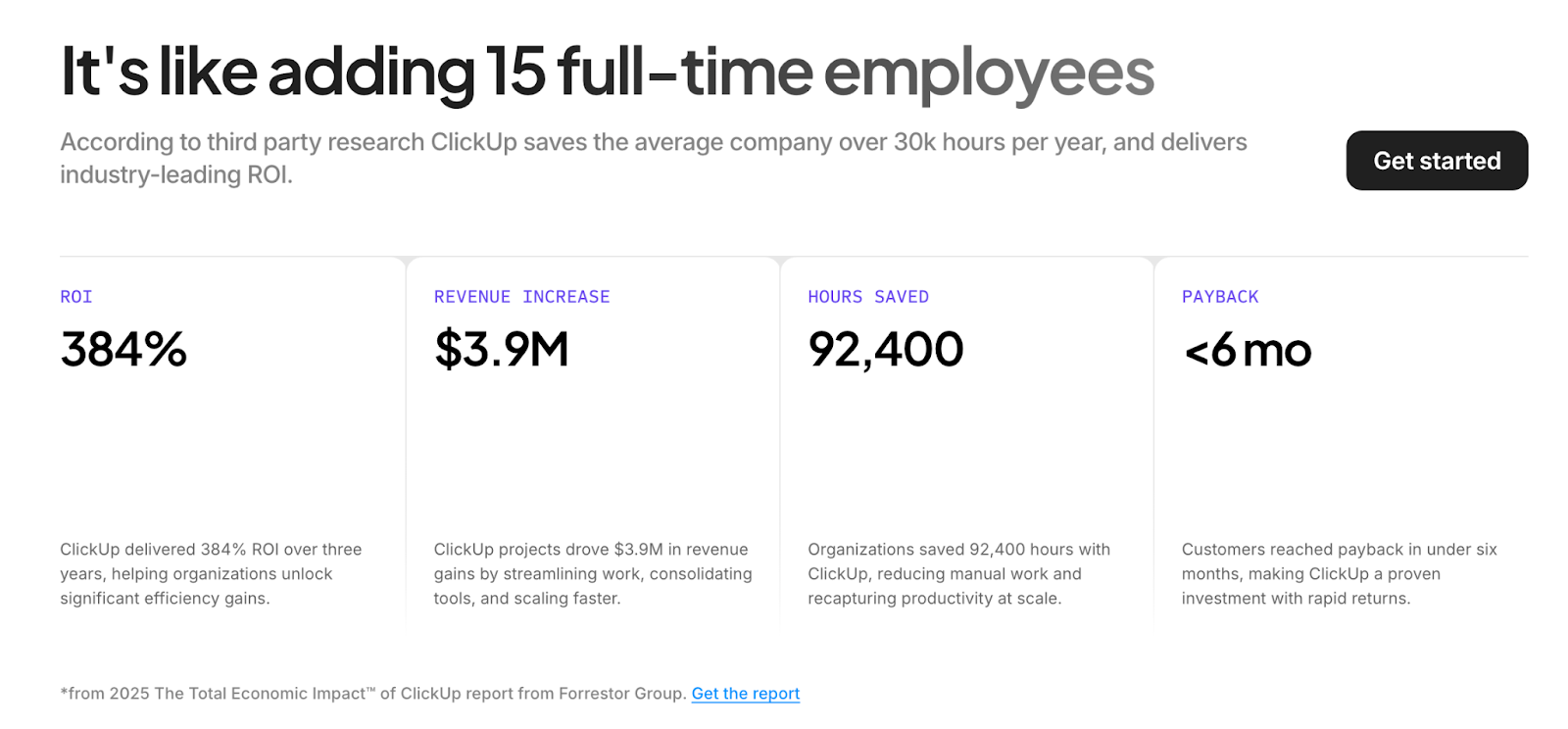
"It's like adding 15 full-time employees."
Not "increase productivity by 20%." Not "streamline your workflow." They named the exact feeling every overstretched team knows: if we just had more people, we could get this done. And backed it with real results.
Now think about how much easier it is to sell this product to your boss or the CFO?
3. Make Me Money
Capitalism seems to be the best system that exists in the world.
I don't make the rules… I am just observing. It doesn't seem like someone has created a better way, so yes – money matters in our society.
And whether they will admit it or not, your customers want to make more money (because they are people; just like you and me, hi).
If you can help someone drive revenue, get more leads, reduce churn, or land a raise, then you can get their attention. Again though: THIS MUST BE BELIEVABLE. You have to have PROOF. More important than ever today in 2025 when you can just make whatever claims you want on the internet – the more receipts you have, the better you will do.
This example from Airbnb does all of those things:
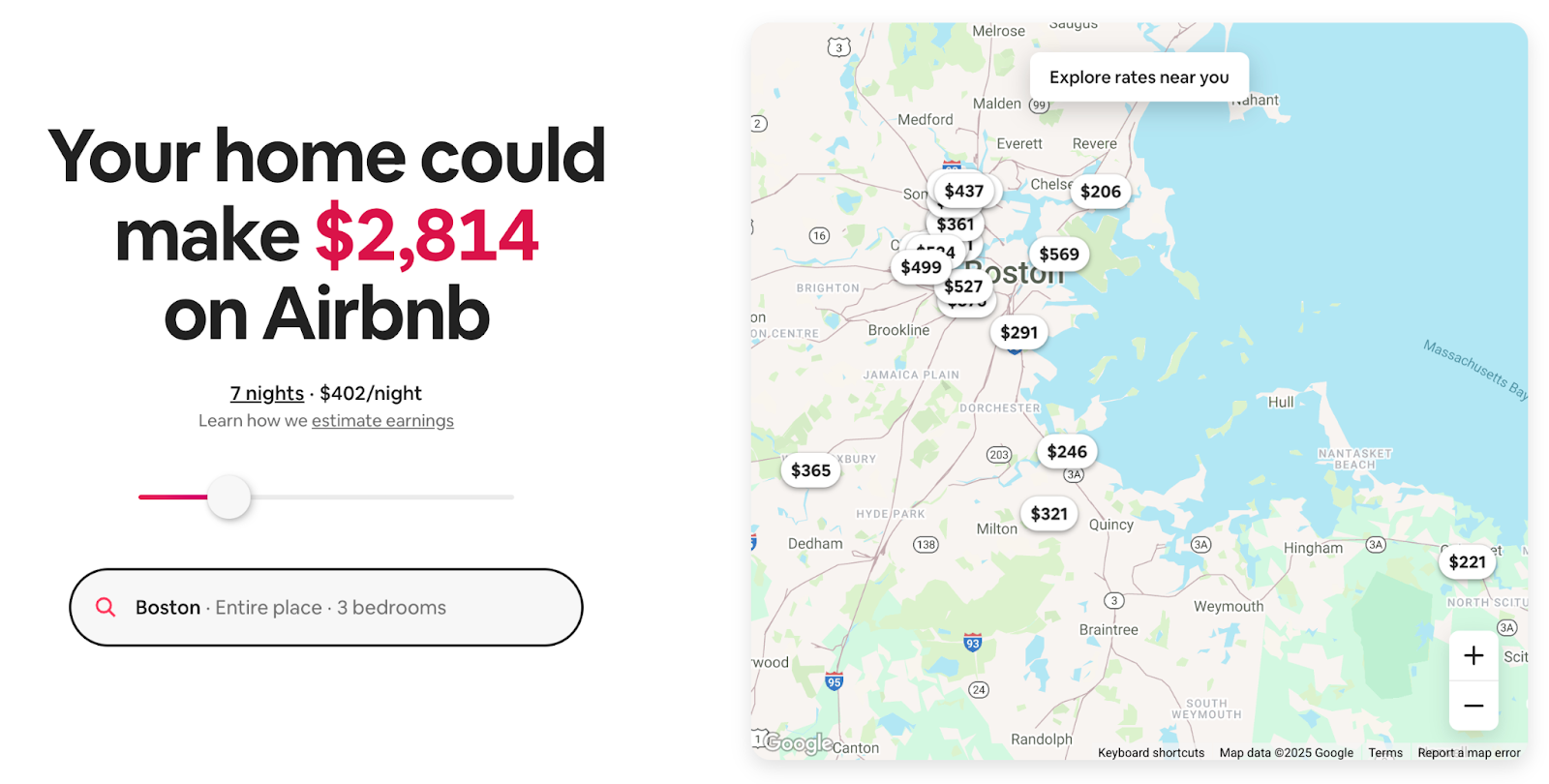
"Your home could make $2,814 on Airbnb."
Not a hypothetical number. You input your location, number of bedrooms, and property type and Airbnb shows you what you could actually earn. They even link to "Learn how we estimate earnings" so you can see the math. Also back to what I said in the previous section; I love $2,814 because it’s believable.
Then the transparency makes it real. You're not wondering if this could work – you're deciding what to do with the additional income.
4. Help Me Avoid Pain
We are biologically wired to avoid pain. We'd almost always rather avoid pain than get some type of gain. I don’t know why — but trust me this is true. I read it in a book somewhere! No but seriously — it’s called loss aversion from Daniel Kahneman & Amos Tversky.
People feel the pain of losing ~$100 about 2x more intensely than the pleasure of gaining $100.
Charlie Munger said “All human behavior is driven by incentives…and disincentives.”
Robert Cialdini found that scarcity and loss outperform upside promises.
Eugene Schwartz wrote in Breakthrough Advertising that people buy to resolve existing tension, not to chase abstract upside.
That single insight underpins a huge amount of effective marketing. No one likes to look stupid, feel behind, or get in trouble.
I love this line from Basecamp’s homepage:

If you can speak to something they're secretly worried about — a mistake, a missed goal, a clunky process — and show a way out, they'll lean in.
Slack said: “Stop drowning in email.”
Datadog: “Fix problems before your customers notice.”
Gong: “Know why you’re losing deals.”
Okta: “Secure every identity.”
One more example contrasting these two headlines:
Gain-based: “How to 10x your LinkedIn reach in 90 days”
Pain avoidance: “Here’s why your LinkedIn posts are under-performing (and how to fix it)”
You see it right?
No one likes to look stupid, feel behind, or get in trouble.
5. Help Me Reach The Next Level
Great marketing often speaks to ambition. Career growth. Mastery. Confidence. People want to feel like they’re getting better – at their job, in their life, as a person. Lift them up! Bring them with you!
This isn't about aspirational nonsense. It's about showing someone a path forward.
When you frame your product as the thing that helps them level up – not just do their current job, but become better at it – you tap into something powerful.
This line from Hampton’s homepage gets right to the heart of this one:
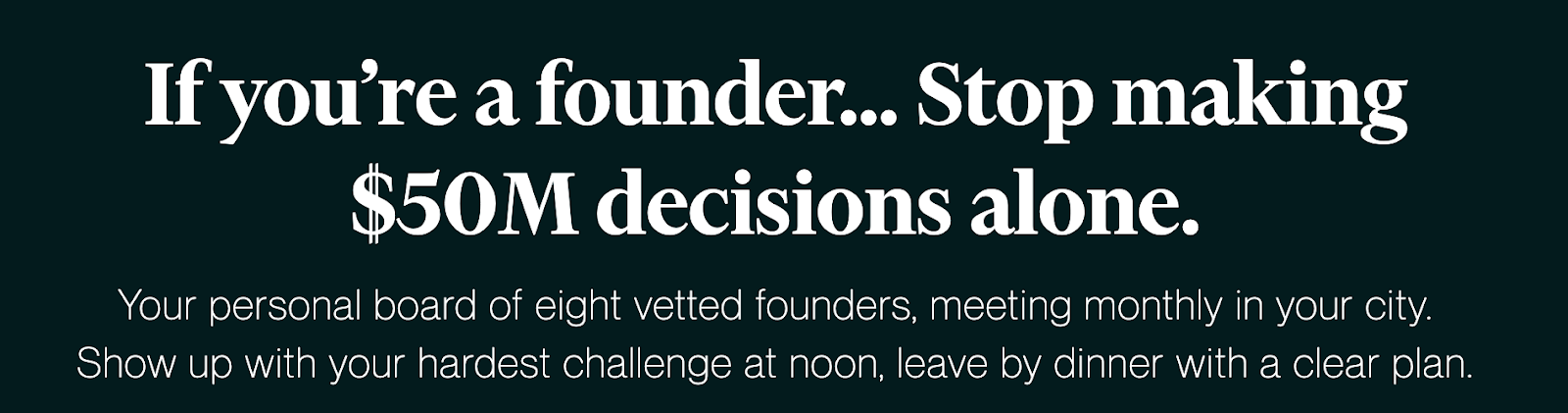
And heck this one might hit on the loss aversion thing too.
When you're running a company doing $3M+ in revenue, you're making decisions that could define the next decade of your life. You shouldn’t be doing it alone.
Hampton promises founders “a personal board of directors.”
That's not a productivity tool. That's ambition insurance.
Give people a vision of who they can become, and they'll follow you.
I like it. Good framing from Hampton.
How much do you really care?
Not to end this newsletter on such a corny note but it’s not corny, it’s true!
I just feel like this is the way to stand out right now: how much do you really care?
How well do you know your customers? How can you get inside their heads? How can you stand out? Be different? Get and keep attention?
It's easier than ever to blast 1,000 AI-generated emails to 1,000 people in your "target market."
Anyone can have a podcast. Anyone can pump out content on LinkedIn. You can do webinars and upload videos to no one. There is almost zero price of admission.
And that is exactly why the opportunity right now is to simply... care more.
Do more. Try harder. Give a shit. I know, it's crazy. But that's the best hack there is right now.
Great. I love AI too.
Let's use AI to help run our business and be more efficient and all that.
But from a brand perspective - how can we stand out?
How can we do things that DO NOT SCALE.
This is also not just me ranting: I am saying this based on data from our VP and CMO members. Those running marketing teams right now — equally as strong as their passion for AI is their passion for doing meaningful work and marketing that cuts through the noise.
Heck there was an article in the WSJ over the weekend about the rise of the storyteller in corporate marketing! That is what level we’re at! Bring all the creatives back! We defunded the creative department and it turns out we need that now more than ever!
Somehow in a world where AI makes things more scalable, it's going to be the things that don't scale that make all of the difference.
How to make this newsletter actionable
There's a lot of noise in marketing right now. My rant here included.
But the fundamentals haven't changed.
Make your customers look good. Save them time. Make them money. Help them avoid pain. Help them reach the next level.
Do those things well, and the rest will follow.
– Dave
P.S. Any examples I should have called out here? Who is doing this well in B2B? I read every reply, so reply back here. I’d love to hear from you and see if this resonates.
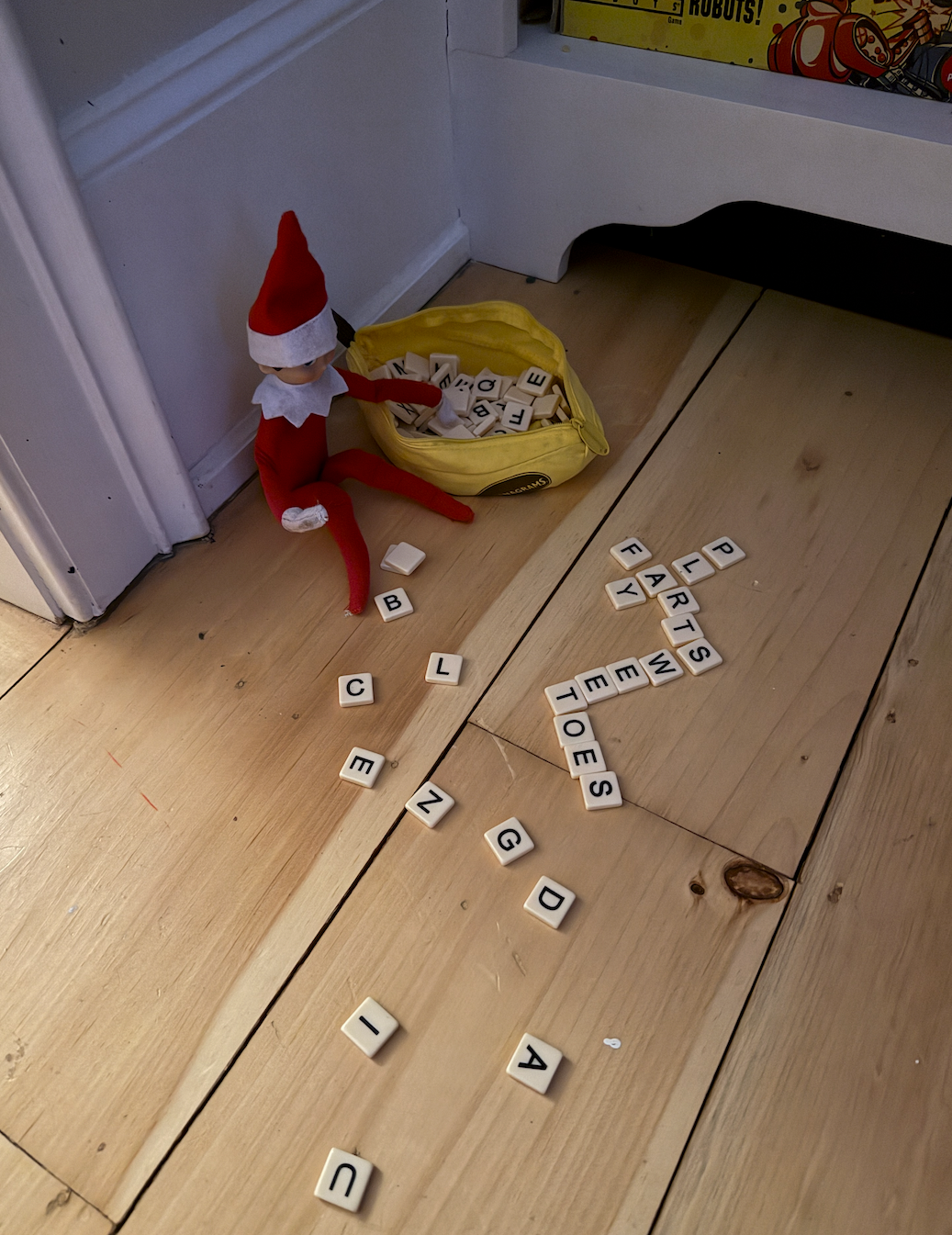
Also I told my kids my goal this week was to get a picture of the Elf in our very serious B2B newsletter; so here’s our Elf. Named Elf The Elf by my kids and the name has been with us since.


The Exit Five newsletter

Sponsor the exitfive newsletter